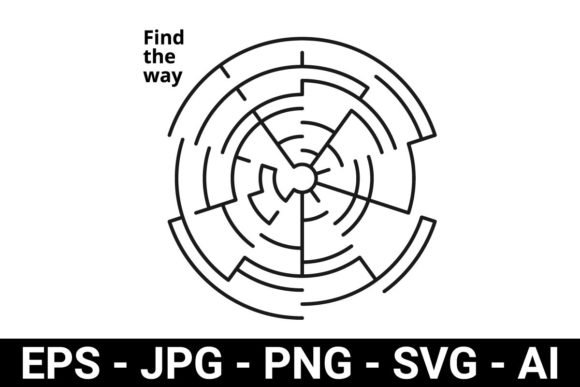
Explore Creative Depths with Maze Pattern Find the Way
Imagine a design element that not only captivates but also engages your audience in a playful and interactive way. The Maze Pattern Find the Way is precisely that, offering a unique blend of visual intrigue and cognitive challenge.
In the realm of graphic design, the maze pattern serves as a versatile tool for enhancing both form and function. Whether you're working on a brand identity, a marketing campaign, or a digital product, this pattern can add a layer of complexity and interest to your projects.
Why Choose Maze Pattern Find the Way?
The maze pattern is more than just a decorative element; it's a powerful tool for engaging viewers. Its intricate design invites users to interact, making it an excellent choice for creating memorable and impactful visuals. Here’s why it matters:
- Enhanced Engagement: The puzzle-like nature of the maze pattern naturally draws people in, encouraging them to spend more time with your content.
- Visual Impact: The clean, modern lines and circular shapes of the maze pattern create a visually appealing and professional look, suitable for a wide range of design applications.
- Versatility: Available in various formats (AI, EPS, SVG, JPG, PNG), the maze pattern can be easily integrated into different design projects, from print to digital.
Practical Applications in Graphic Design
The maze pattern can be a valuable asset in multiple areas of graphic design. Here are some practical applications:
Branding and Logo Design
Incorporating the maze pattern into branding and logo design can symbolize the journey and the path to success. It adds a touch of sophistication and a sense of direction, making it perfect for brands that value innovation and problem-solving.
Marketing Materials
Use the maze pattern in brochures, flyers, and posters to create a visually striking and interactive experience. This can help in capturing the attention of potential customers and making your marketing materials stand out.
Social Media Content
For social media, the maze pattern can be used to create engaging posts and stories. Interactive puzzles and challenges can increase user engagement and shareability, helping to boost your brand's visibility.
Website and UI Design
In web and UI design, the maze pattern can be used to create interactive elements, such as loading screens, game interfaces, or even as a subtle background texture. This can enhance the user experience and make your website more engaging.
Editorial Layouts
For editorial design, the maze pattern can be used to guide the reader's eye through the content. It can serve as a creative way to break up text and add visual interest, making the reading experience more enjoyable.
Packaging Design
In packaging design, the maze pattern can be used to create a unique and memorable unboxing experience. It can be printed on the packaging itself or included as a small puzzle inside, adding a fun and interactive element to the product.
Tips for Using Maze Pattern Find the Way Effectively
To get the most out of the maze pattern, consider these tips:
- Consistency: Ensure the maze pattern aligns with your brand's overall aesthetic and color palette. Consistency is key to maintaining a cohesive and professional look.
- Readability: Balance the complexity of the maze with the need for readability. Make sure the pattern does not overwhelm the main content or message.
- Scalability: Use vector formats (AI, EPS, SVG) to ensure the maze pattern scales well across different sizes and resolutions without losing quality.
- Visual Hierarchy: Use the maze pattern to guide the viewer's eye and create a clear visual hierarchy. This can help in organizing information and making the design more effective.
- Audience Expectations: Consider your target audience and their preferences. The maze pattern should be engaging but not too complex, especially if it's part of a user interface or marketing material.
By thoughtfully incorporating the Maze Pattern Find the Way into your design projects, you can create visually stunning and engaging experiences that resonate with your audience. Whether you're aiming to enhance your brand identity, improve user engagement, or simply add a touch of creativity, this pattern is a valuable addition to your design toolkit.